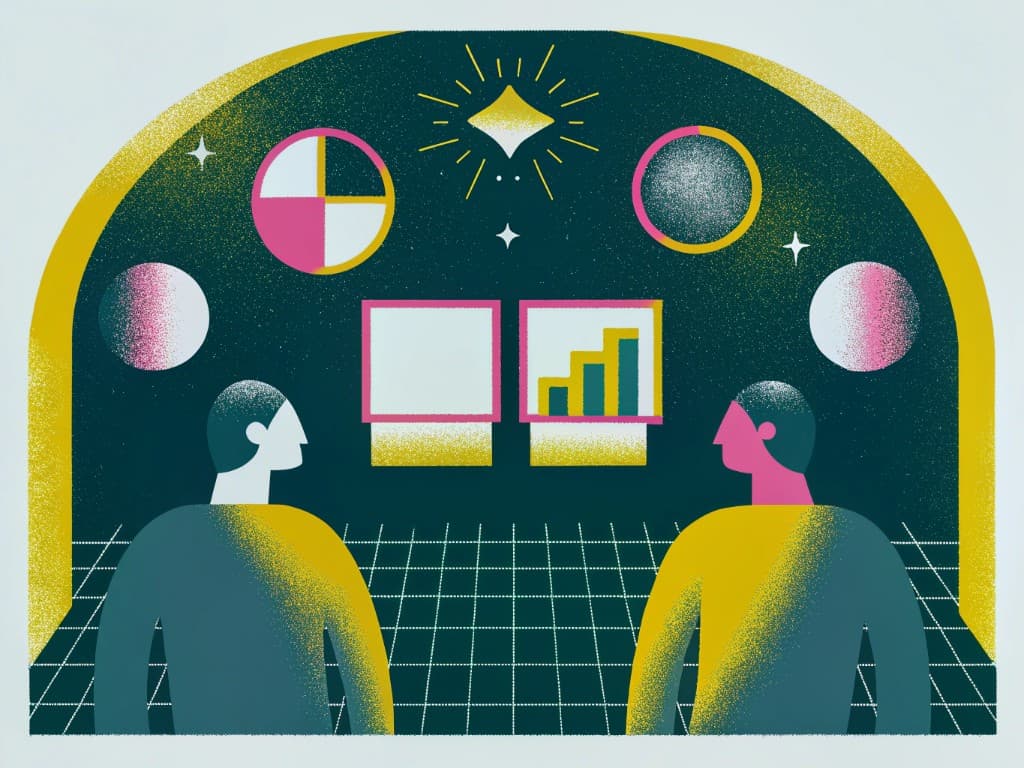
The short answer
Anxiety-oriented audio aims to lower sympathetic activation—slower tempos, softer transients, harmonic warmth—helpful before merges, after bad meetings, or when your chest is tight before code review. Execution-oriented audio aims to maintain steady arousal and forward rhythm—often mid-tempo instrumental with predictable texture—helpful when procrastination is the enemy and calm becomes sedation. Name the hour’s dominant goal; mismatched audio medicates the wrong symptom.
How this differs from genre absolutism
Genre labels mislead—ambient can agitate; metal can soothe certain brains. Frame choices by arousal, predictability, and verbal content—per tempo research.
Anxiety regulation band
When nervous system is hot—PagerDuty ambiguous, performance review season, prod incident aftermath—calm audio can serve nervous-system downshifting before you try intricate refactors. Pair with physiological basics: food, water, movement boundaries—music is adjunct.
Duration caps matter: thirty-minute calm session to re-enter body, then explicit switch into execution lane with timer start—otherwise “relaxing playlist” becomes endless avoidance with chillhop aesthetics.
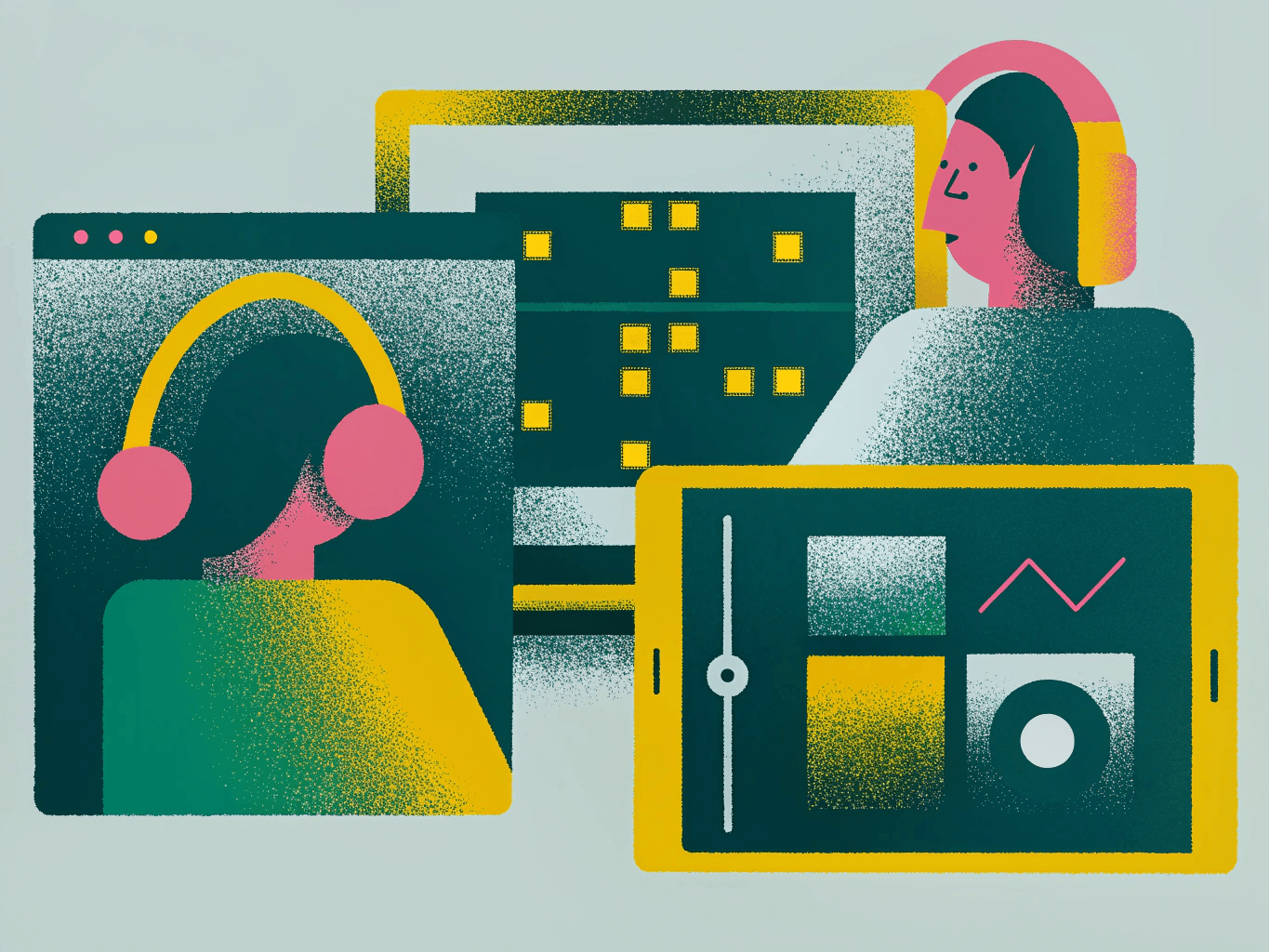
Execution band
When tasks are concrete but activation is low—migrate scripts, write repetitive tests, fix linter backlog—moderate-energy instrumental can maintain momentum without hijacking verbal channels. Avoid huge dynamic swings; surprises steal selective attention.
The “calm yourself out of shipping” trap
Soothing sound lowers urgency; sometimes urgency was accurate—the deadline is real. If calm tracks coincide with missed estimates, you may be self-soothing instead of escalating scope risk. Music for anxiety belongs around work negotiations; music for execution belongs inside timer-bounded craft blocks—separate the buckets.
Routing by task class
Reading / synthesis: often low-arousal, low-noise environments—sometimes silence beats “focus beats.” See reading vs coding audio.
Implementation grind: steady instrumental; timer visible.
Debugging subtle Heisenbugs: reduce layers—noise, lyrics, drama—per task complexity research.
NEDIO’s default bias: instrumental sprint audio for execution—not because anxiety regulation is unworthy, but because product scope aims at keystrokes inside timeboxes; handle anxiety tracks as personal pre-sprint ritual if needed.
Pre- and post-deploy emotional arcs
Before risky deploys, nervous systems spike—calming audio can downshift heart rate if that genuinely helps you execute checklist discipline without skipping verification steps. After incidents, the same calming audio may prolong denial if what you need is crisp communication to stakeholders—route calm to physiology, not to message-postponing comfort. Execution audio after adrenaline often means low-surprise texture supporting methodical log forensics rather than heroic soundtracking.
Music cannot replace blameless postmortems or customer updates—pair sound choices with explicit next actions written in the incident doc before headphones return.
Honest mood logging without astrology
Quick daily triad: mood (1–5), perceived focus (1–5), objective artifact (commits, tests, tickets closed). If calming playlists raise mood but flatten artifacts, reclassify them as regulation tools outside maker blocks. If execution tracks raise output but spike stress, schedule recovery buffers—music policy is one dial in a larger health stack.
Avoid magical thinking: correlation is not causation; regression to mean swallows many “this album saved sprint” stories. Multi-week data tames storytelling impulse.
Seasonal stress and crisis windows
Layoff seasons, reorgs, and funding cliffs spike baseline anxiety—calming audio may matter more for sleep and appetite than for typing speed. During crises, execution lanes still exist but shrink; prioritize explicit comms and scope negotiation over chasing hero tempo tracks. Music cannot replace psychological safety from leadership—if calm mixes become constant nervous-system wallpaper, escalate HR and therapy resources rather than buying another ambient subscription.
Relationship stress at work
Interpersonal conflict—passive-aggressive code review, credit disputes, public Blameless blame—raises arousal differently from calendar overload. Soothing audio can downshift enough to write professional replies; execution audio may feel grating when you are activated. Split concerns: address relational repair with synchronous conversation and written summaries—do not expect BPM choices to substitute for conflict resolution skills. Music can bracket emotional transitions, not replace them.
Measured monthly review: lanes versus excuses
Anxiety and execution lanes tempt retrospective storytelling—“October felt mellow because I finally found the right jazz.” Harder honesty requires numbers you did not want: defects escaped, PR cycle time, times you swapped lanes for emotional avoidance. Monthly, jot three bullet metrics unconcerned with music (unless you run controlled AB). If metrics moved without lane changes, your bottleneck was scheduling or staffing, not BPM.
When you did switch lanes deliberately, log trigger and outcome: “Pre-1:1 calming lane reduced snarky Slack drafts—relationship harm avoided.” That is valid success even if LOC stayed flat—just separate relational outcomes from shipping outcomes to avoid double-counting vibes as velocity.
Involve manager perspective carefully—they track delivery, not your Spotify soul. Translate lane policy into risk language: “I use low-arousal audio before deploys to reduce hotfix probability” ties music hygiene to business consequence without requesting HR oversight of playlists.
Beware regression after vacations: anxiety lane feels foreign when execution muscle atrophied during PTO—rebuild gently, re-measure before declaring permanent preference change. Seasonal affect can mimic playlist epiphanies; daylight and movement often explain variance more than crate digging.
Share anonymized retros with community cautiously—individual biology differs; what nudged your metrics might distract others. Contribute methodology, not prescriptions—NEDIO ethos: timers plus instrumentation plus humility.
When therapy or medication changes your baseline arousal, expect month-long playlist turbulence—re-measure calmly instead of chasing novelty; ethical lane discipline means updating defaults after recovery arcs, not punishing yourself during them with execution tracks that no longer fit nervous-system reality.
Travel jet lag and daylight savings shifts can temporarily invert which lane works—log timezone transitions alongside lane outcomes so future-you recognizes physiological noise instead of concluding identity-level taste changes every spring and fall.
Synthesis: two playlists, one career
Treat anxiety and execution audio as complementary tools in a single career arc—not opposing identities. Early-career engineers may lean on high-arousal implementation mixes to muscle through rote tickets; senior ICs navigating ambiguous architecture may discover silence disproportionately valuable. Reassess quarterly: your nervous system changes with sleep, therapy, meds, parenting, equity cliffs. A playlist that felt sacred in 2022 may irritate in 2026—update stacks without nostalgia traps.
Practically, keep two bookmarked lanes in whatever player you use: Lane A (calming regulation, few surprises) and Lane B (steady forward instrumental). Name them boringly—emotional neutrality reduces identity fusion with brands. Pair Lane B with NEDIO-style timers when execution is the bottleneck; use Lane A before difficult conversations or after outage adrenaline.
Remember: music modulates mood and masking; it does not negotiate deadlines, fix toxic teams, or substitute sleep. If throughput stalls despite thoughtful routing, zoom out—calendar design, staffing, and psychological safety dominate audio policy in the long run.
When you pair music with tooling, guard against double ritual: if you already run a strict Pomodoro stack elsewhere, stacking elaborate emotional-regulation playlists before every pomodoro can fatigue executive function—choose one primary container for “start,” another for “soothe,” and refuse to let each vendor promise rewrite your daily story.
Finally, document transitions with teammates when shared spaces or pairing means your execution lane collides with another’s anxiety regulation lane—pair programming etiquette may trump personal preference temporarily; empathy plus explicit verbal negotiation beats passive-aggressive volume wars.
Over years, revisit genre diversity: burnout sometimes masquerades as playlist fatigue. Rotating artists prevents predictive boredom without abandoning lane discipline—keep novelty inside the execution lane’s texture rules (instrumental, steady-ish) rather than re-opening endless streaming discovery mid-sprint. Emotional sustainability and shipping sustainability share a ledger—honor both without collapse into compulsive crate-digging.
If you manage people, avoid prescribing which lane someone should use during grief or panic—offer flexibility and outcomes-based expectations instead. Music policy is a personal health layer; leadership belongs to load-shedding and psychological safety, not Spotify prescriptions.
Frequently asked questions
Can one playlist do both?
Rarely well—calming textures often lower arousal when you need urgency on shallow backlog clears; high-energy tracks can spike anxiety before scary deploys.
What about clinical anxiety?
This page is not therapy—seek professionals for clinical needs; audio is ambient support only.
Does tempo matter?
Often yes—see tempo/predictability research—but individual variation dominates.
Instrumental only?
Usually for verbal-heavy tasks—lyrics research cluster applies.