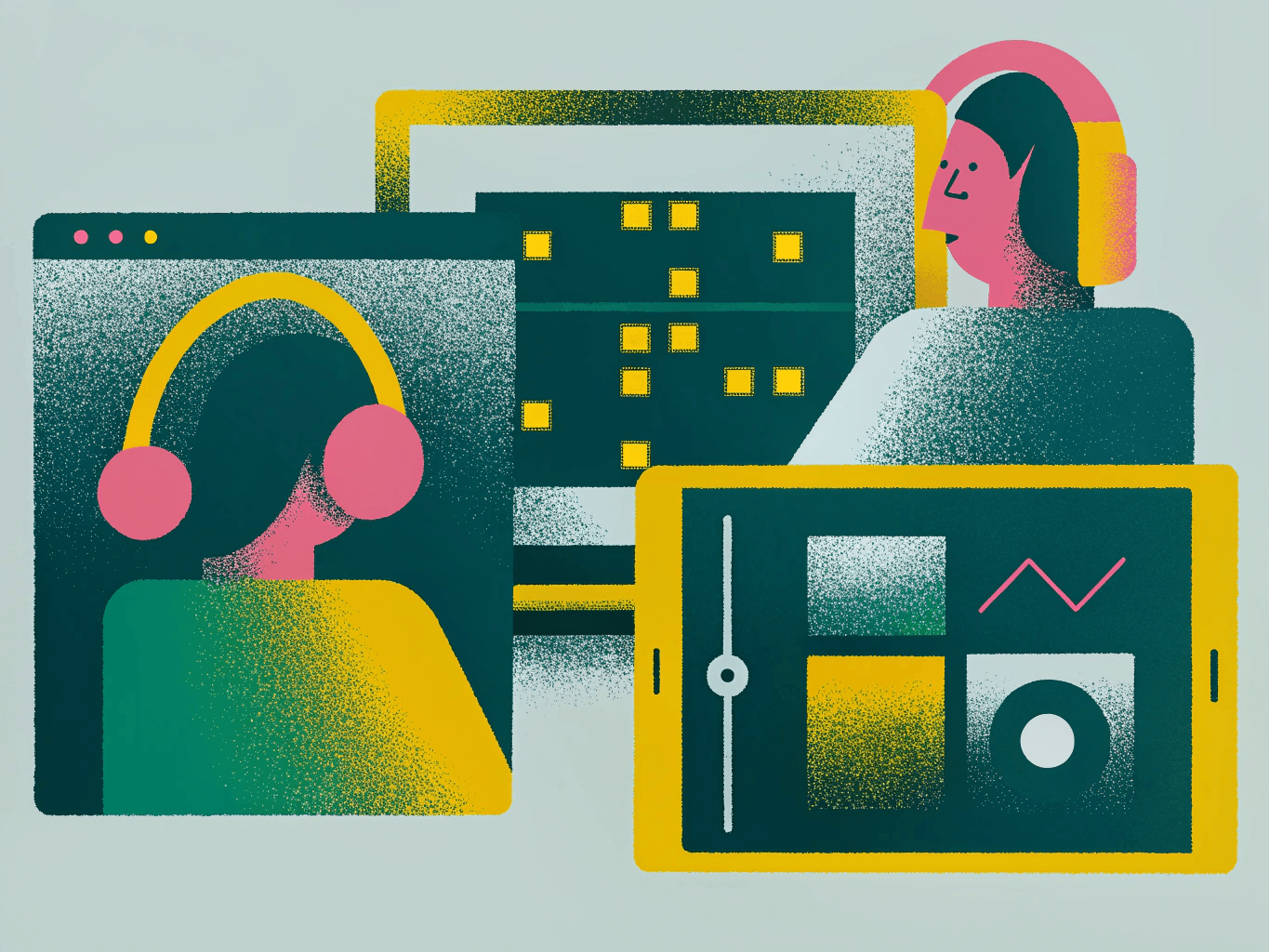
The short answer
During compile-heavy work, prefer one foreground audio source without lyrics—or silence. If you need learning audio, put it in a different sprint whose explicit goal is learning, not shipping.
How this differs from solo music advice
Solo guides optimize headphones for one brain doing one task. This page adds LLM chat and browser research as extra verbal inputs—so the safe defaults become stricter even when you are “alone.”
Verbal load stacking
Lyrics occupy phonological loops. Chat occupies prose reasoning. Code occupies symbol manipulation. All three can be legal—but not all three plus a podcast without paying a latency tax. When you feel “foggy,” remove the highest-variance channel first—usually lyrics or conversational audio.
Foreground vs background audio
Foreground audio is what you are attending to. If music is truly background, you should be able to ignore it instantly when the bug bites—if you cannot, it is foreground. Be honest about which mode you are in; mixing modes wastes both music enjoyment and code quality.
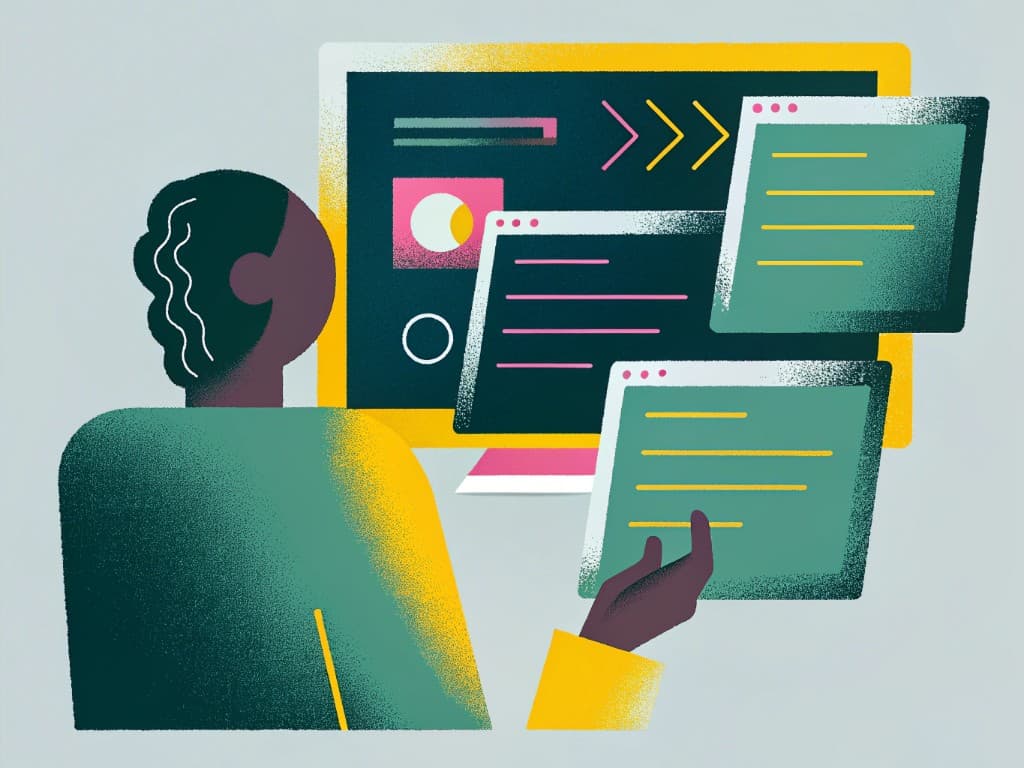
Pairing with sprint tabs
A sprint-first audio surface keeps instrumental policy consistent: start timer, start station, write intent. The failure mode is “music hunt” mid-sprint—exactly when chat is also tempting you to iterate prompts.
Honest exceptions
Passive video courses while coding are rarely compatible with shipping sprints—split them. Social listening while doing mechanical refactors may work for some people; keep the honesty rule: if quality drops, the exception was not allowed.
Scenarios: when to tighten the rule
Incident bridge: silence or low ambient only—voice channels belong to humans coordinating recovery. Music is not a personality flex during Sev1s.
Onboarding in a new codebase: you will read more prose than usual. If you add lyrics, you are competing with documentation comprehension—default instrumental.
Security or privacy review: treat like code review comprehension—see music during code review vs implementation.
Rubber-duck debugging out loud: if you are talking, pause lyrics. Your auditory channel is already busy.
Practical takeaway
One stream is a cheap rule that preserves bandwidth for code and chat— the two channels that already define modern development. Treat extra audio like extra WIP: justified only when the sprint name says so.
Frequently asked questions
Does “one stream” mean I cannot use meeting audio?
Meetings are a different contract—mute music, or use device routing so coding audio does not fight Zoom. This page is about self-directed work blocks.
What about white noise apps plus music?
Two music streams still compete. If you need masking, prefer one steady noise source or instrumental-only stations—not lyrics plus lo-fi plus podcast.