The short answer
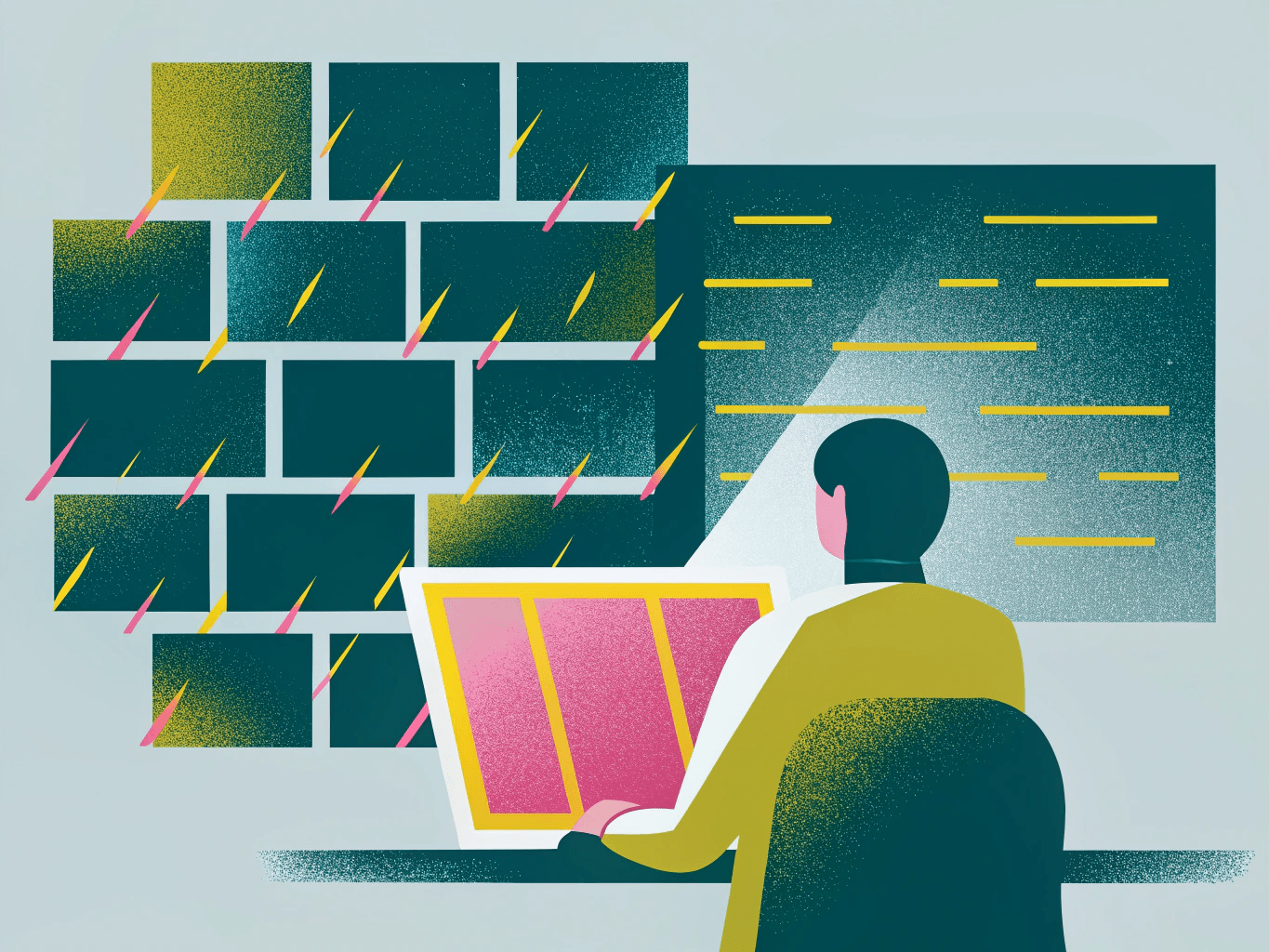
Deep work for developers is mostly calendar design plus start ritual: two protected blocks, a repeatable first action, and explicit rules for when chat and email happen. Rituals beat motivation because they remove the debate at the moment you are least rational.
Who this is for
Individual contributors and leads who can influence at least part of their schedule—especially if you ship through long reasoning chains and hate ending the day with “I was busy but nothing moved.”
Routine vs ritual
Routine is what you do on autopilot: standup order, morning email scan, recurring meetings. Ritual is what signals mode change: close tickets tab, open editor full screen, start timer, one instrumental cue—or silence with the same posture every time.
Rituals fail when they are too elaborate. If your pre-deep-work checklist has twelve steps, you will skip it on tired days. Keep the ritual under five minutes.
Protecting blocks at work
Protection is both social and technical. Social: calendar holds, team norms about response time, pairing async defaults. Technical: full-screen IDE, Do Not Disturb, separate browser profile for work, and a sprint tab that is not also your entertainment hub.
Aim to defend two core blocks on maker days before accepting ad-hoc work. If that sounds impossible, the problem is organizational load—not personal ritual quality.
Start cues that scale
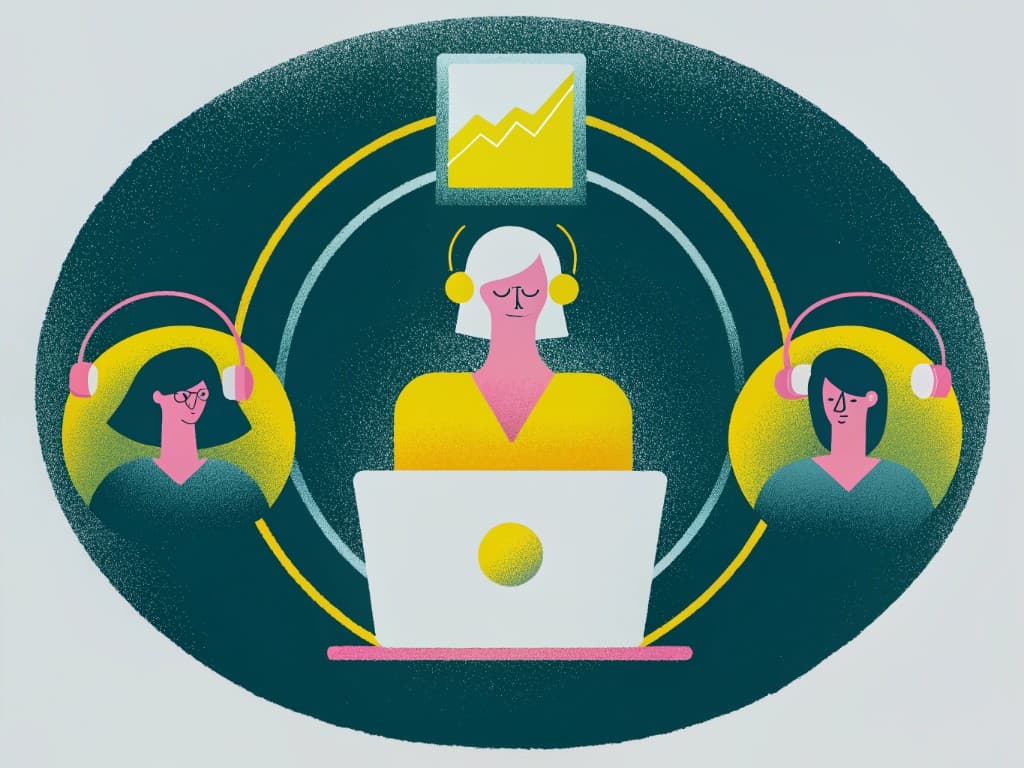
Good cues are sensory and short: same playlist policy, same timer length for similar tasks, same phrase in your notes (“Next: reproduce bug on checkout timeout”). The cue tells your brain the mode switched.
Cues should survive low motivation: if your ritual requires inspiration, it is not a ritual. Anchor to physical actions—close laptop lid on personal machine, open sprint tab, start timer—before you trust executive function.
For interval defaults that match coding, cross-check Pomodoro setup for programmers.

Shallow work without guilt
Email, reviews, planning, and Slack are real work. The failure mode is letting them occupy the center of the day without intent. Batch them into visible windows so deep blocks do not leak.
A useful rule: if it is not on the calendar, it is not allowed to steal the first morning block. Move “quick syncs” after the first deep checkpoint so wins happen before coordination expands.
When it is not a dashboard problem
If every week is an incident week, if staffing is below survivable load, or if priorities change hourly, no ritual fixes the math. Say that out loud before buying another productivity app.
Escalate capacity truthfully: shallow work expands until depth hits zero. Leaders need the signal that protection is a throughput issue, not a personality preference.
Common mistakes
Ritual theater. Twelve-step preambles die fast. Keep cues under five minutes or they become another procrastination surface.
Measuring hours in seat. Depth is checkpoints shipped, not longest streak in IDE. If metrics lie, motivation follows.
Skipping recovery between deep blocks. Read breaks and interval design when afternoons collapse even with “perfect” mornings.
Manager and team norms
Leaders can normalize depth without banning chat: quiet hours, response-time SLAs for non-incidents, and meeting budgets that leave two maker blocks intact on build days.
ICs can model boundaries visibly—calendar holds, status text, batching reviews—so peers inherit permission to do the same. Culture shifts when defaults change, not when one hero white-knuckles focus alone.
Practical takeaway
- Protect two core maker blocks weekly before optimizing anything else.
- Keep the start ritual under five minutes and identical day to day.
- Batch shallow work; do not let it interleave silently into implementation time.
- Measure depth with checkpoints (tests green, PR updated, bug narrowed)—not vibes.
Frequently asked questions
What is deep work for developers?
Deep work is sustained attention on a cognitively demanding task—implementation, debugging, design—long enough to produce a meaningful unit of progress. For developers, it is usually bounded: a protected block with a clear target, not an endless grind.
How do rituals help coding focus?
Rituals reduce variance at the start: same cue, same environment, same first action. That lowers the negotiation you do with yourself before the editor becomes the main interface again.
How can I protect focus in an open office?
Combine headphones or masking audio, explicit “focus” blocks on the calendar, batching chat responses, and shorter visible commitments to colleagues. If policy allows, defend two core blocks before accepting ad-hoc work.
Is deep work the opposite of collaboration?
No. Collaboration is necessary—but it needs boundaries. Deep work is about sequencing: when you are in a block, collaboration is async unless the task truly requires sync time.
Is two blocks a day “enough” for senior engineers?
Often yes, if each block ships a visible checkpoint. Senior work has more review and coordination surface; depth hours shrink. The fix is honest capacity planning, not longer hero blocks every night.
What if leadership celebrates always-on responsiveness?
You can still ritualize your starts, but culture caps outcomes. Pair personal habits with team agreements (quiet hours, SLA on non-urgent chat). If that fails, document tradeoffs explicitly instead of silently burning out.
Should I stack multiple focus apps?
Usually no—two timers and two music engines compete for the same job. Pick one sprint-shaped surface or one audio layer, then read compare pages before buying duplicates.
How do I measure deep work without surveillance?
Use shippable checkpoints: tests added, bug narrowed, PR ready for review. Self-report mood alone is noisy—see measurement pitfalls research.